Decoding Faint Signals in Equine Performance Shifts, Racquet Sport Momentum, and Soccer Pitch Variations to Optimize Multi-Bet Strategies
Written by Rosa Franke · Nov 10, 2026
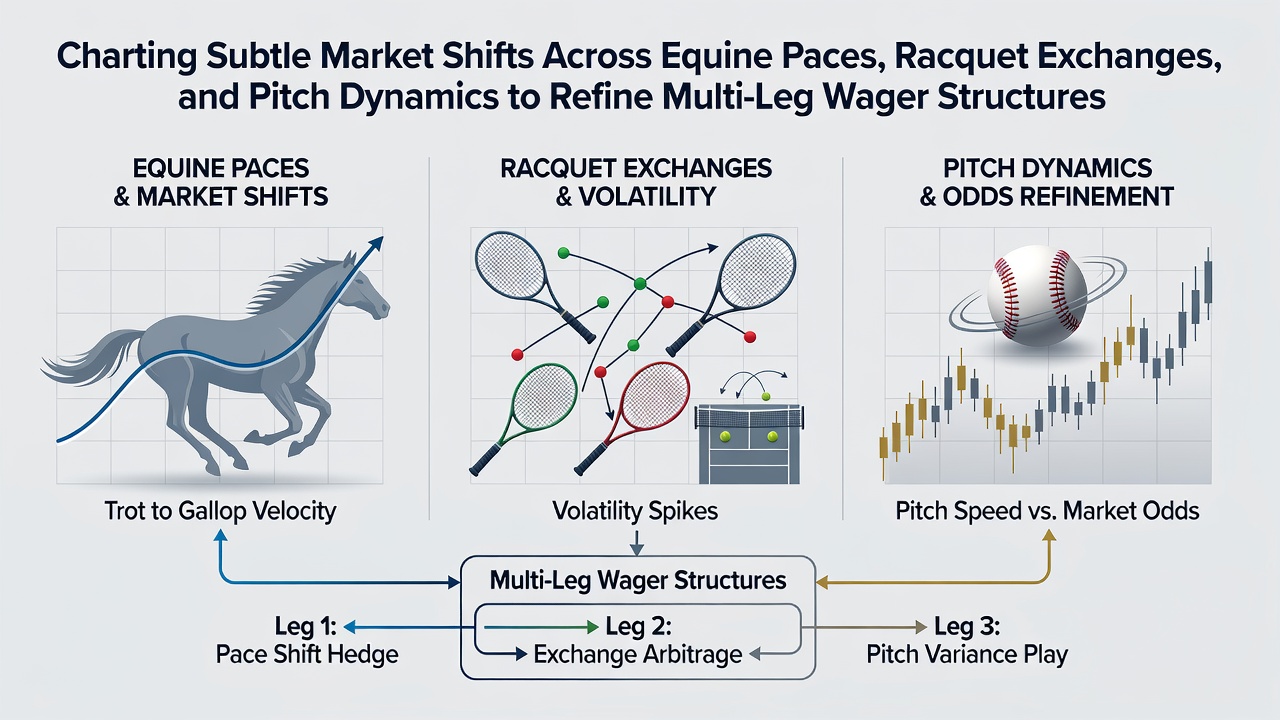
Decoding Faint Signals in Equine Performance Shifts, Racquet Sport Momentum, and Soccer Pitch Variations to Optimize Multi-Bet Strategies
Market analysts track minor fluctuations in odds across horse racing, tennis, and soccer because these variations often reveal opportunities for refining multi-leg wager structures, and data from November 2026 indicates continued growth in cross-sport accumulator participation according to industry reports from the European Gaming and Betting Association. Observers note that equine paces during flat races and jumps events create distinct patterns in betting markets, while racquet exchanges in tennis matches produce rapid adjustments that mirror momentum changes on soccer pitches.
Equine Paces and Early Market Indicators
Thoroughbred performance metrics such as stride length and sectional times feed directly into odds movements, and researchers at the University of Melbourne have documented how subtle pace alterations in the final furlongs correlate with late drifts or steamers in multi-leg betting pools. Bettors who monitor these equine shifts gain insights that extend beyond single-race outcomes because the same data points influence accumulator legs when combined with events from other sports. Figures from Australian wagering operators reveal that pace-based adjustments accounted for measurable changes in exotic bet volumes during the 2026 spring racing carnival.
Racquet Exchanges and Momentum Mapping
Tennis point sequences generate frequent odds revisions, particularly during extended rallies and tiebreak sequences, and these movements allow analysts to identify value in multi-leg structures that include tennis alongside racing and soccer selections. Data compiled by the International Tennis Federation shows that serve-hold percentages and break-point conversions produce predictable market ripples, and those patterns become useful when layered into accumulators where one leg depends on sustained performance rather than isolated results. Observers note that racquet sport exchanges often precede larger shifts in related betting lines, creating windows for stake recalibration before the next leg settles.
Pitch Dynamics in Soccer and Late Adjustments
Soccer match flows, including possession changes and set-piece sequences, drive dynamic odds updates that align with patterns seen in equine and tennis markets, and November 2026 reports from Canadian gaming regulators highlight increased interest in cross-sport accumulators incorporating live pitch data. Analysts observe that defensive line adjustments and substitution impacts create micro-shifts in expected goal values, which in turn affect the viability of multi-leg wagers when soccer legs follow racing or tennis outcomes. Industry studies from the Asia-Pacific region demonstrate that pitch momentum indicators improve the calibration of accumulator structures by highlighting when a late swing in one sport offsets earlier movements in another.
Integrating Shifts Across Sports for Accumulator Refinement
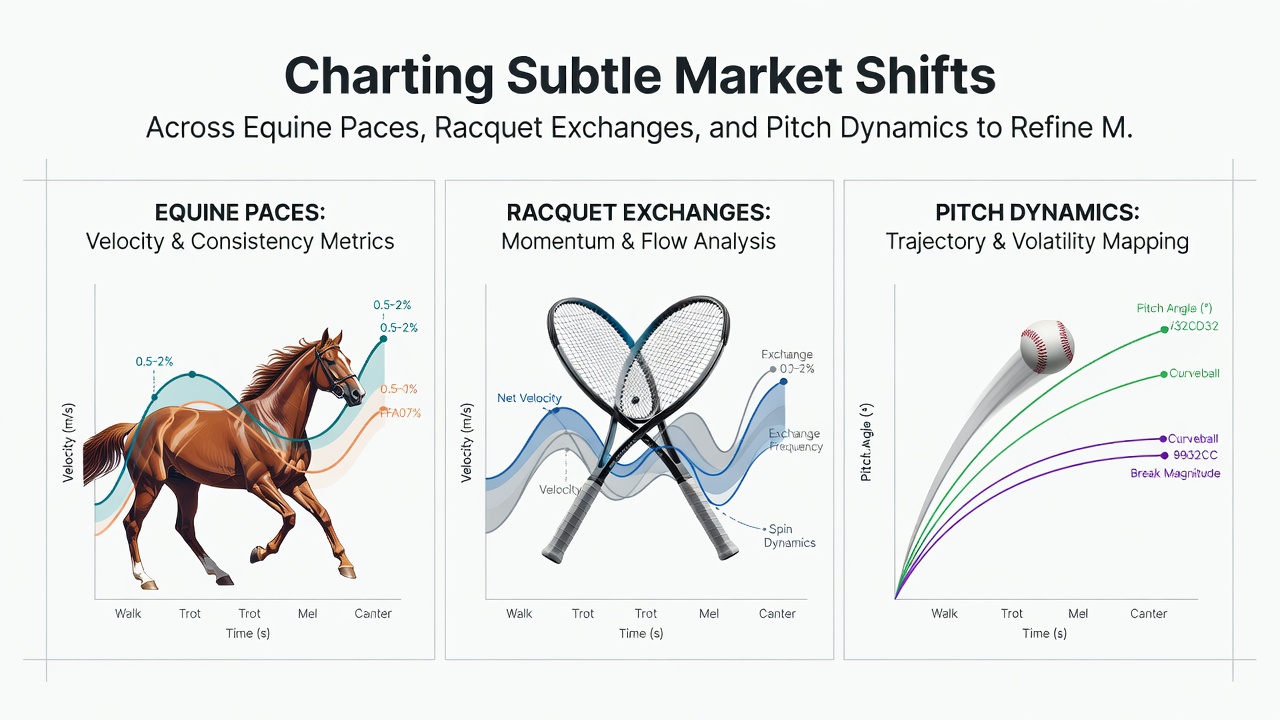
Combining equine pace data with tennis exchange metrics and soccer pitch dynamics produces layered insights that sharpen multi-leg wager construction, and evidence from multiple wagering platforms indicates higher retention rates among participants who apply these cross-market observations. Those who study the interplay discover that a minor drift in one sport's odds can signal similar adjustments elsewhere, allowing for timely modifications to accumulator selections before all legs reach settlement. Research published in the Journal of Gambling Studies notes that integrated monitoring of these three domains reduces exposure to uncorrelated variance in combined bets.
Operators report that tools designed to capture these subtle movements now appear in more advanced betting interfaces, and the pattern holds across different regulatory environments outside the UK. Analysts continue to examine how November 2026 data streams from global events refine the predictive models used for accumulator sizing and selection sequencing.
Conclusion
Market participants who systematically chart subtle shifts in equine paces, racquet exchanges, and pitch dynamics develop more precise frameworks for multi-leg wager structures, and ongoing data collection from diverse international sources supports continued refinement of these approaches. The connections between teh three sports provide measurable signals that extend across accumulator legs when monitored consistently.