House of Lords Library Updates Briefing on Measures to Reduce Gambling Harm Among Young People
Written by Jakob Carter · Sep 15, 2026

House of Lords Library Updates Briefing on Measures to Reduce Gambling Harm Among Young People
The House of Lords Library has published an updated briefing that examines steps to cut gambling harm for young people across the UK, and this document pulls together data on participation rates along with details of current protections and new government steps. Researchers note that 59% of 11 to 17 year olds now report some experience with gambling, a figure that has held steady in recent surveys, while 30% say they have placed bets using their own money in the past year, an increase from 27% recorded in 2024 and one that appears tied mainly to unregulated operators.
Participation Trends and Key Statistics
Data collected through official channels shows that most young people encounter gambling in casual settings at first, yet the rise in those using personal funds points to growing access through online channels that operate outside licensed frameworks. Experts reviewing the figures indicate that unregulated sites drive much of this uptick, and those who track youth behaviour observe that the shift creates fresh challenges for existing enforcement tools. The briefing compiles these numbers from recent Gambling Survey results, which reveal steady overall exposure but highlight the need for targeted action on direct spending by minors.
Legal Foundations Under the Gambling Act 2005
Current rules rest on the Gambling Act 2005, which sets age restrictions and licensing requirements that apply to most operators in the regulated market. This framework requires companies to verify player ages and restricts certain activities, while licensed firms must follow strict advertising standards that limit exposure to under-18 audiences. Observers note that these provisions have formed the backbone of protection efforts for nearly two decades, although gaps remain where unlicensed platforms operate beyond UK jurisdiction.
Government Actions and Recent Developments
Officials have introduced lower stake limits for young adults as one direct response, and this measure aims to reduce the financial risk for those aged 18 to 24 who enter the market for the first time. A statutory levy now funds treatment and prevention programmes, while an illegal gambling taskforce coordinates efforts between police, regulators and financial institutions to disrupt unlicensed operations. These steps build on earlier work and reflect a coordinated approach that combines legislative change with operational enforcement.
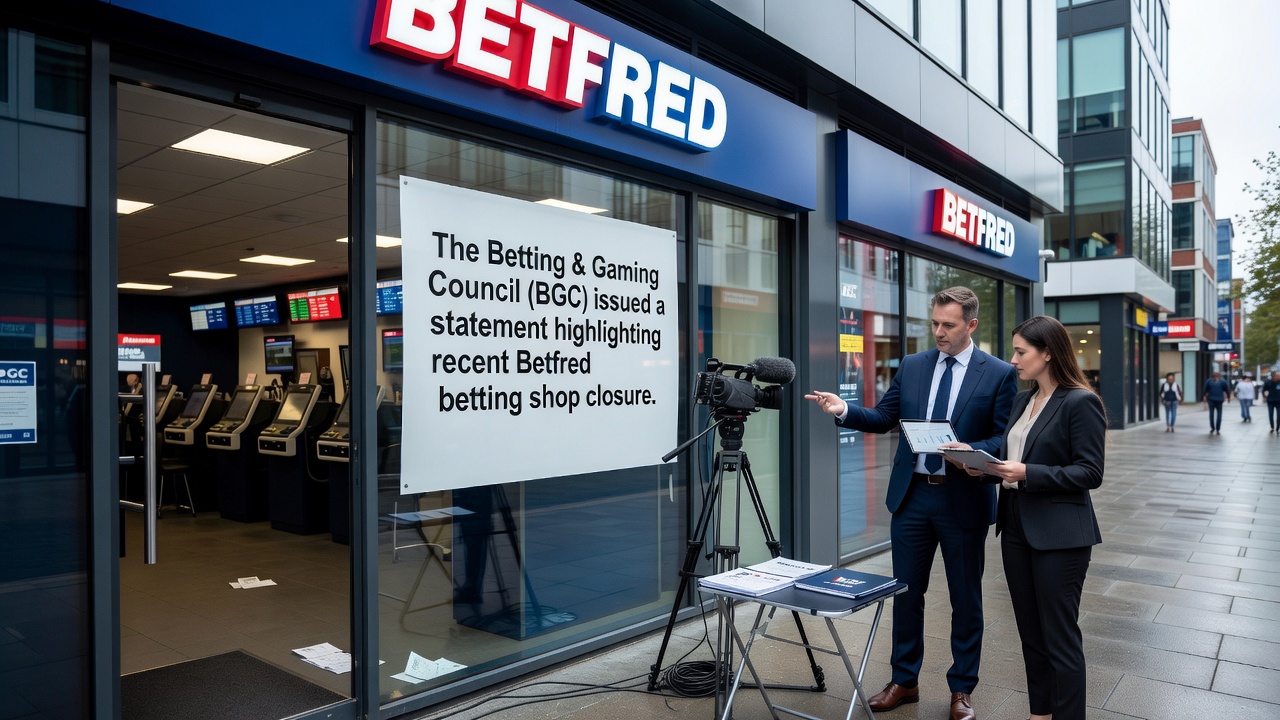
Consultations continue on proposals to ban advertising and sponsorship deals involving unlicensed operators, and these discussions focus on closing visibility loopholes that allow offshore brands to reach younger viewers through sports and digital platforms. Figures from the Gambling Commission show that such activity often bypasses the controls applied to licensed entities, which creates an uneven playing field and increases exposure for those under the legal age. The briefing outlines how these consultations could lead to new restrictions that extend existing rules into areas currently dominated by unregulated providers.
Implementation Challenges and Ongoing Monitoring
Those responsible for enforcement face practical difficulties when dealing with platforms hosted overseas, yet the taskforce structure seeks to improve information sharing and financial blocking measures. Data on participation trends suggests that progress will require both stronger detection of illegal sites and continued public awareness efforts aimed at parents and schools. The briefing presents these elements as interconnected parts of a broader strategy that updates older provisions without discarding the core framework established in 2005.
Future Outlook Based on Current Proposals
Policy makers expect further refinements as consultation responses arrive, and the focus remains on balancing access for adults with tighter safeguards for younger age groups. Evidence gathered so far indicates that combining levy-funded support services with advertising controls could reduce the reach of unregulated options over time. Researchers continue to monitor participation numbers to assess whether the recent rise in personal spending among 11 to 17 year olds stabilises or reverses under the new measures.
Conclusion
The updated House of Lords Library briefing brings together statistics on youth gambling, details of the Gambling Act 2005 framework, and summaries of government actions such as stake limits, the statutory levy and the illegal gambling taskforce, while also covering active consultations on advertising restrictions for unlicensed operators. These elements form a single coherent picture of current efforts to address harm among young people in the UK, and the document serves as a reference point for ongoing policy development.